


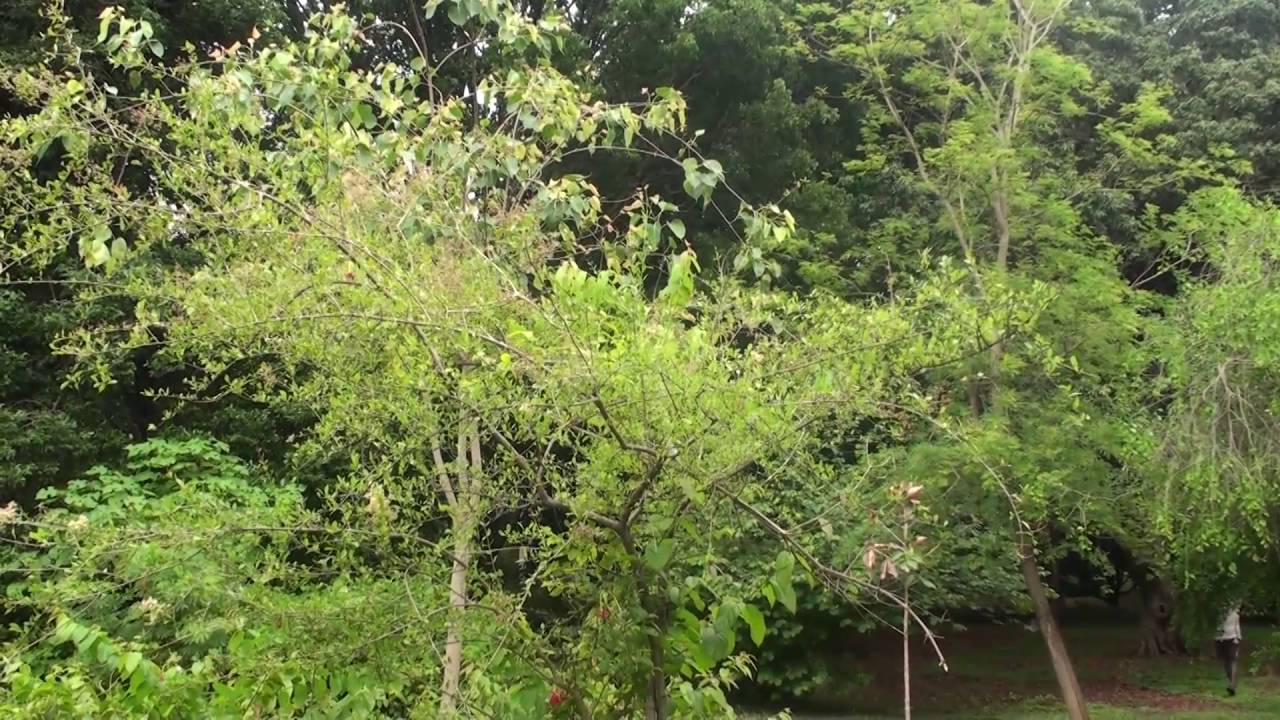
 Henna (Lawsonia inermis, also known as hina, the henna tree, the mignonette tree, and the Egyptian privet) is a flowering plant and the sole species of the Lawsonia genus. The English name "henna" comes from the Arabic حِنَّاء (ALA-LC: ḥinnāʾ; pronounced [ħɪnˈnæːʔ]) or, colloquially حنا, loosely pronounced as /ħinna/.
Mehndi (Henna) applied on both hands.
The name henna also refers to the dye prepared from the plant and the art of temporary body art (staining) based on those dyes (see also mehndi). Henna has been used since antiquity to dye skin, hair and fingernails, as well as fabrics including silk, wool and leather. The name is used in other skin and hair dyes, such as black henna and neutral henna, neither of which is derived from the henna plant.
Historically, henna was found to be used in the Arabian Peninsula, South Asia, Carthage and other parts of North Africa, and the Horn of Africa. Bridal henna nights remain an important custom in many of these areas, particularly among traditional families.
Henna Lowsonia inermis insects picture | |
| 1 Likes | 1 Dislikes |
| 580 views views | 322K followers |
| Entertainment | Upload TimePublished on 7 Jun 2016 |

Không có nhận xét nào:
Đăng nhận xét